US Marines Establish First Medium Missile Battalion with NMESIS to Counter China
Sandboxx News ·
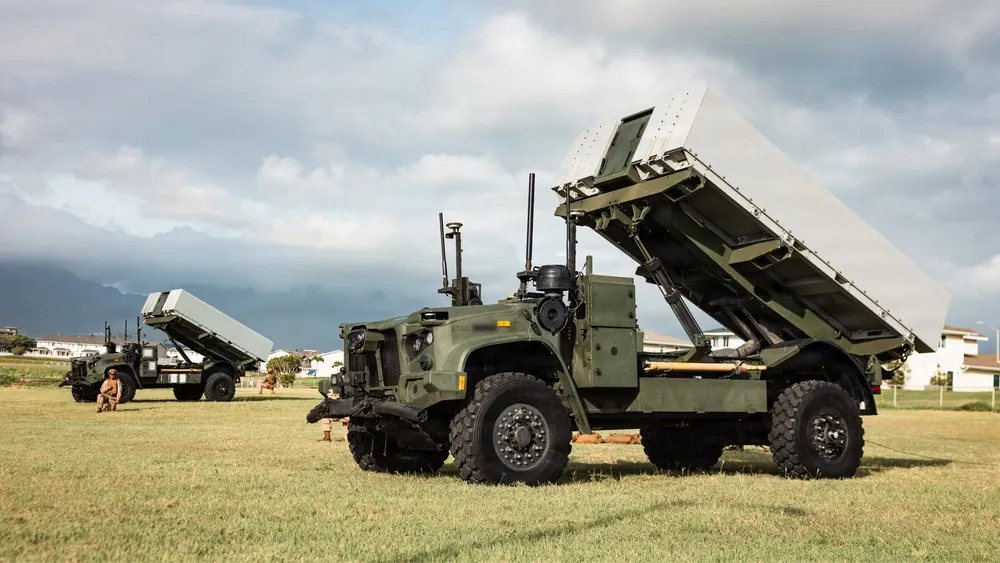
In a strategic move to deter potential Chinese amphibious operations in the Indo-Pacific, the U.S. Marine Corps has transitioned its first artillery unit into a medium missile battalion. Last October, the 1st Battalion, 10th Marine Regiment under the 2nd Marine Division was officially re-designated and equipped with the Navy-Marine Expeditionary Ship Interdiction System, known as NMESIS. This advanced ground-based anti-ship missile platform combines a remotely operated ground unit with a dual-launcher system capable of deploying Naval Strike Missiles. With a striking range exceeding 150 miles, NMESIS offers exceptional mobility, rendering it an ideal asset for littoral defense and sea denial missions. According to battalion commander Lt. Col. Joseph Mozzi, this capability is vital for maritime control. The system previously entered service with the 3rd Marine Littoral Regiment in 2024 and was deployed to Okinawa units in June.
AI 시장 분석
The U.S. Marine Corps has established its first medium missile battalion and deployed the NMESIS system to counter China's maritime invasion in the Indo-Pacific. The introduction of this anti-ship missile system, with a range of over 150 miles, significantly enhances the U.S. military's sea denial and control capabilities. From an investor's perspective, this move indicates a surge in strategic demand within the defense sector and is expected to have a positive impact on related defense contractors.
상승 영향
- Defense — U.S. Marine Corps deploys the 150-mile range NMESIS anti-ship missile system to its first medium missile battalion, directly increasing demand for defense equipment
DYAX 전담 분석
With the U.S. Marine Corps full-scale adoption of the NMESIS anti-ship missile system capable of striking enemy ships and ground targets over 150 miles away, order expansions for related defense companies are anticipated. Heightened geopolitical tensions in the Indo-Pacific region are acting as a catalyst accelerating the execution of weapon system modernization budgets.
The bullish scenario involves improved earnings for defense stocks driven by the creation of additional missile battalions and the adoption of weapon systems by Indo-Pacific allies, while the bearish scenario entails short-term volatility stemming from defense budget adjustments. Key indicators to watch are the scale of the U.S. Department of Defense's Marine Corps modernization budget allocation and the pace of additional unit creation.
AI가 생성한 분석으로 투자 자문이 아닙니다.
DYAX Investor Sentiment
Bullish (Long) 30% · Bearish (Short) 70%
393 participants
Related News
- US September Budget Deficit Prints at $27 Billion
- Crude Tanker Targeted by Missile in Strait of Hormuz, Says Indian Official
- Iran Awaits Saudi Response on Yemen Mediation
- EU's Costa Calls for Year-End Long-Term Budget Agreement
- EU Council President Warns of Russian Escalation as Oil and Rig Data Come into Focus
- US Preisdent Trump reiterates oil prices are going to come down very soon
