War Returns to Ethiopia as the Horn Edges Closer to Abyss
ZeroHedge ·
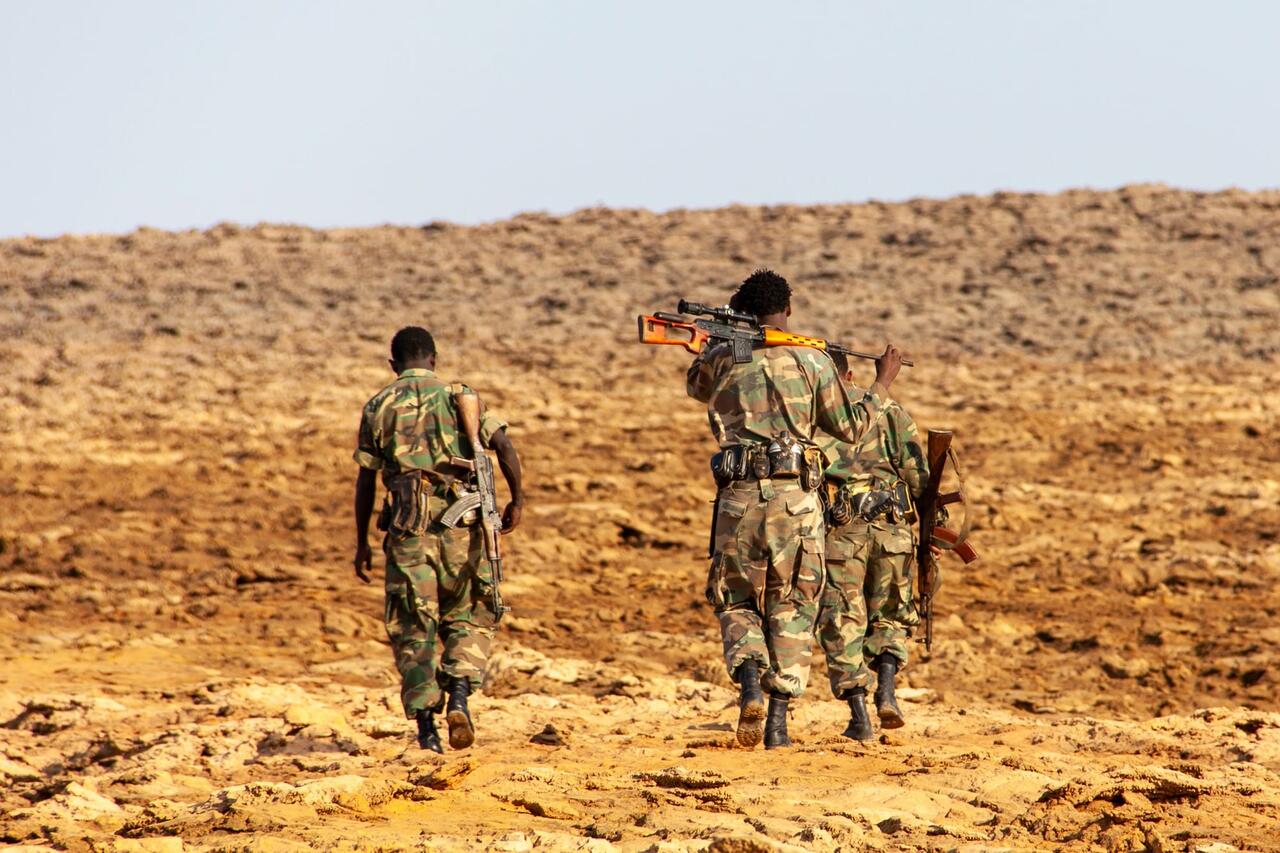
Just four years after the Pretoria Agreement officially concluded one of the deadliest conflicts of the twenty-first century, serious warfare has erupted once again in northern Ethiopia. As October commenced, Tigrayan forces captured airports in Mekelle, Aksum, and Shire, initiated synchronized assaults into the neighboring Afar and Amhara regions, and declared a state of total war against the federal government located in Addis Ababa. The Ethiopian military countered with drone attacks and artillery, reporting the neutralization or capture of hundreds of combatants. Flight operations were grounded, telecommunications severed, and local citizens started hoarding provisions and currency to prepare for a renewed blockade. Earlier this March, warnings highlighted that unresolved territorial disputes, incomplete execution of the Pretoria pact, and dangerous military realignments positioned the Horn of Africa on the verge of an explosion. Tragically, that fragile peace has now collapsed into open warfare, elevating regional destabilization risks to levels unseen since 2022.
AI 시장 분석
Armed conflict has resumed in northern Ethiopia just four years after the Pretoria Peace Agreement, plunging the Horn of Africa back into the vortex of war. As Tigray forces seized airports including Mekelle and expanded their offensive into adjacent areas, a full-scale war pattern is unfolding, marked by federal drone strikes and communication blackouts. This situation heightens supply chain instability and geopolitical risks, exerting severe downward pressure on African regional trade and global logistics overall.
상승 영향
- Defense — Direct benefits are expected as demand for weapons and military supplies surges due to the Ethiopian federal military's drone strikes and expanded military operations.
- Gold — Heightened geopolitical risks and the resumption of civil war in the African region strengthen global safe-haven preferences, acting as a factor driving up gold prices.
하락 영향
- Aviation — Transportation disruptions and revenue declines centering on African routes are inevitable due to the seizure of major airports in Ethiopia and the suspension of flights.
- Shipping — Logistics costs rise and supply chain disruptions occur due to paralyzed logistics, communication blackouts, and potential blockades near the Horn of Africa.
- Consumer Goods — Earnings hits are feared for consumer goods companies with high dependence on the African market due to contractions in local consumption caused by blockade measures and food stockpiling following the resumption of civil war.
DYAX 전담 분석
The resumption of the Ethiopian civil war causes supply chain paralysis and infrastructure destruction in the African region, directly driving up costs in the aviation and logistics sectors. As the nightmare of the 2020-2022 civil war, which claimed 600,000 lives, is revived, a decline in national credit rating and an outflow of foreign investment are inevitable.
If the worst-case scenario unfolds into a regional war involving neighboring countries like Eritrea, it could lead to a broad economic downturn in Africa, requiring close monitoring of crude oil and grain price volatility. Investors should increase the proportion of safe-haven assets in preparation for the spread of geopolitical risks and monitor indicators of combat intensity between the Ethiopian federal government and rebel forces.
AI가 생성한 분석으로 투자 자문이 아닙니다.
DYAX Investor Sentiment
Bullish (Long) 46% · Bearish (Short) 54%
504 participants
Related News
- Space War Fears Rise As Russian Satellite Makes Dangerous Maneuver
- Venezuela Oil Minister Reports Crude Output Reaching 1.2M BPD
- Scope Ratings Affirms Italy at BBB+ with Positive Outlook Amid Structural Constraints
- SP Affirms Greece at BBB/a-2 with Stable Outlook
- Trump Signals Cuba Focus After Iran as Middle East Tensions Drive Crude Higher
- Tankers Hit by Naval Mines Near Hormuz Strait as Crude Prices Rally
