US and Europe Intensify Pressure on Iran at UN Security Council Amid IAEA Uncertainty
ZeroHedge ·
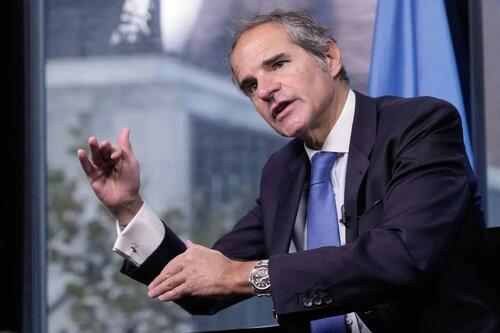
Western allies, including the US, UK, France, and Germany, are strongly urging the International Atomic Energy Agency board to submit a formal resolution and complaint to the UN Security Council and General Assembly. According to Reuters, this diplomatic campaign demands that Iran urgently resolve its non-compliance with its Safeguards Agreement by taking all necessary steps outlined by the agency. IAEA Director General Rafael Grossi recently stated in a formal report that the status of a key part of Iran's nuclear program remains unclear because international inspectors still lack access. Diplomatic sources indicate that negotiations regarding the precise wording of the draft resolution are currently ongoing, and it has not yet been formally submitted to the board for a vote.
AI 시장 분석
Western allies, including the US, UK, France, and Germany, are stepping up pressure to refer Iran to the UN Security Council due to its non-compliance with the nuclear deal. The IAEA stated that the status of Iran's nuclear program remains opaque, escalating geopolitical tensions in the Middle East. Investors must prepare for energy supply instability and security threats driven by the expanding Middle East risk.
상승 영향
- Defense — Fears of military conflict are growing due to heightened pressure on Iran by the US and Europe and rising geopolitical tensions in the Middle East, leading to expected increases in defense industry demand.
- Crude Oil — As Western sanctions related to Iran's nuclear program and Middle East supply disruption risks are highlighted, upward pressure on oil prices emerges due to energy supply instability.
- Gold — Safe-haven sentiment spreads due to geopolitical risks and heightened UN Security Council tensions, acting positively on gold demand and prices.
하락 영향
- Airlines — Risks of route operation disruptions grow alongside upward pressure on jet fuel prices due to escalating Middle East tensions and expanding geopolitical risks.
- Shipping — Maritime transport costs rise and supply chain disruption concerns emerge due to increased risks in navigating Middle East straits and geopolitical instability.
- Consumer Goods — Energy price hikes and inflationary pressures caused by geopolitical conflicts weaken consumer purchasing power and reduce corporate margins.
DYAX 전담 분석
The Western push to refer Iran to the UN Security Council and the IAEA's opacity report are sharply escalating geopolitical tensions in the Middle East, directly and indirectly impacting energy markets and global security. The uncertainty surrounding Iran's nuclear issue acts as a direct catalyst for amplifying asset price volatility by stoking fears of crude oil supply disruptions.
In a bullish scenario, a geopolitical risk premium is factored in, potentially causing defense stocks and oil prices to surge. In a bearish scenario, global trade contraction could intensify cost pressures on the shipping and aviation sectors. Future IAEA resolution adoptions and UN Security Council trends must be closely monitored.
AI가 생성한 분석으로 투자 자문이 아닙니다.
DYAX Investor Sentiment
Bullish (Long) 56% · Bearish (Short) 44%
461 participants
Related News
- G7 Issues Warning on Middle East Crisis and Houthi Attacks
- RBNZ Governor Breman says near-term inflation expected to be somewhat higher if elevated oil prices persist, adds remains focused on inflation outlook ahead of the October policy decision
- Israel Strikes Gaza City East, Alibaba to Offload ZTO Stake, MSFT Xbox Axes Jobs
- PBoC Adds CNY 35B via Reverse Repos as EU and Philippines Agree on Free Trade
- Taiwan Central Bank to Meet Banks for Corporate Lending Assurance
- China Projected to Lead Global Nuclear Energy Sector by 2035
