Iran Sends Artillery and Troops to Kurdish Border Amid Rising Tensions
ZeroHedge ·
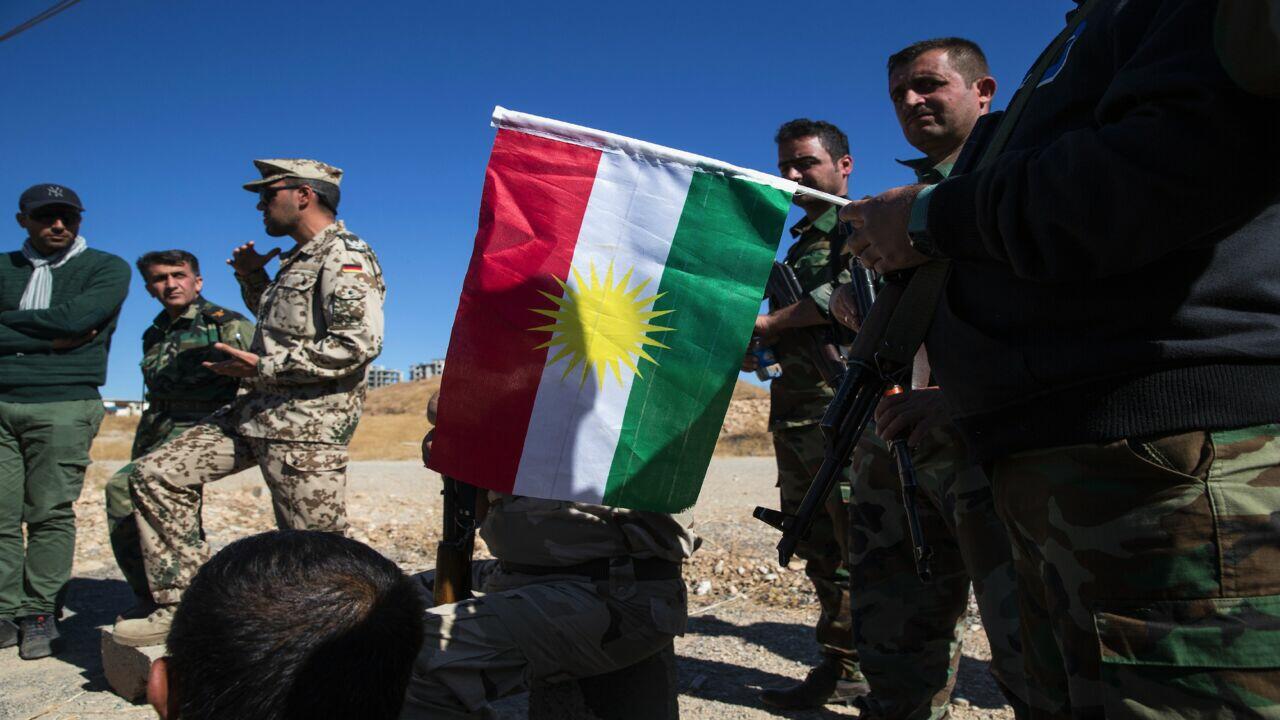
Amid escalating regional tensions and renewed fears of military conflict with the United States and Israel, Iranian authorities have massed artillery and military personnel in the nation's northwestern Kurdish territories near the Iraqi border. According to Kurdish and Middle East news outlets, the Islamic Revolutionary Guard Corps (IRGC) has ramped up operations targeting opposition factions, most notably the Kurdistan Free Life Party (PJAK), following recent skirmishes in the Shaho Mountains. Late Wednesday, the Kurdistan Human Rights Network (KHRN) reported that military convoys carrying heavy weaponry were dispatched from other provinces into several western cities, including Sanandaj, Kamyaran, Sarvabad, Marivan, and Baneh. Iran's Kurdish minority, estimated to comprise 10 to 15 million citizens primarily residing in the western and northwestern regions, faces heightened scrutiny. This crackdown follows earlier reports during Operation Epic Fury regarding discussions by US and Israeli officials concerning potential covert arming of border opposition groups to exert pressure on Tehran, though Iraqi Kurdish leaders have strongly denied such claims.
AI 시장 분석
Geopolitical tensions are rising as Iran significantly reinforces its artillery and troops in the Kurdistan region near the Iraqi border. Amid military pressure from the US and Israel, the Islamic Revolutionary Guard Corps (IRGC) is intensifying operations against Kurdish rebels, raising concerns over a broader Middle East escalation. Investors must prepare for potential crude oil supply instability and expanding geopolitical risks.
상승 영향
- Defense — Defense industry demand is expected to increase due to heightened geopolitical tensions in the Middle East and fears of escalation between Iran, the US, and Israel.
- Crude Oil — Concerns over supply disruptions caused by military clashes around Iran, a major Middle Eastern oil producer, act as upward pressure on oil prices.
하락 영향
- Stock Market — Downward pressure on overall stock markets intensifies due to the spread of global risk-off sentiment driven by fears of an all-out Middle East war.
- Airlines — Geopolitical airspace closures and soaring international oil prices stemming from Middle East geopolitical risks increase cost burdens for airlines.
DYAX 전담 분석
Iran's military deployment and escalating border clashes sharply increase Middle East geopolitical risks, acting as a catalyst for heightened global financial market volatility. Iran is deploying forces mainly around regions populated by the 100,000 to 150,000 Kurdish minority, simultaneously strengthening internal control and external deterrence.
If this leads to a direct military clash with Israel and the US, concerns over oil supply disruptions could trigger a surge in crude oil prices. Conversely, if escalation remains limited, market impacts may be short-lived, necessitating close monitoring of border military clash frequencies and crude oil futures trends.
AI가 생성한 분석으로 투자 자문이 아닙니다.
DYAX Investor Sentiment
Bullish (Long) 46% · Bearish (Short) 54%
483 participants
Related News
- Central Bank of Turkey Lowers Benchmark Interest Rate to 36 Percent from 37 Percent
- UK Chancellor Healey Eyed Tax Hike on Retiring Entrepreneurs, Telegraph Reports
- Putin Denies War Intentions with Europe as RIA Reports Readiness for Tripartite Talks
- Saudi-led Coalition Destroys Houthi Missile Aimed at Najran Amid Region Tensions
- ECB's Pereira Urges Deeper Integration of EU Single Market
- US Renews Push for EU to Ease Big Tech Regulations
