Saudi East-West Pipeline Operational Despite Fresh Attack
ZeroHedge ·
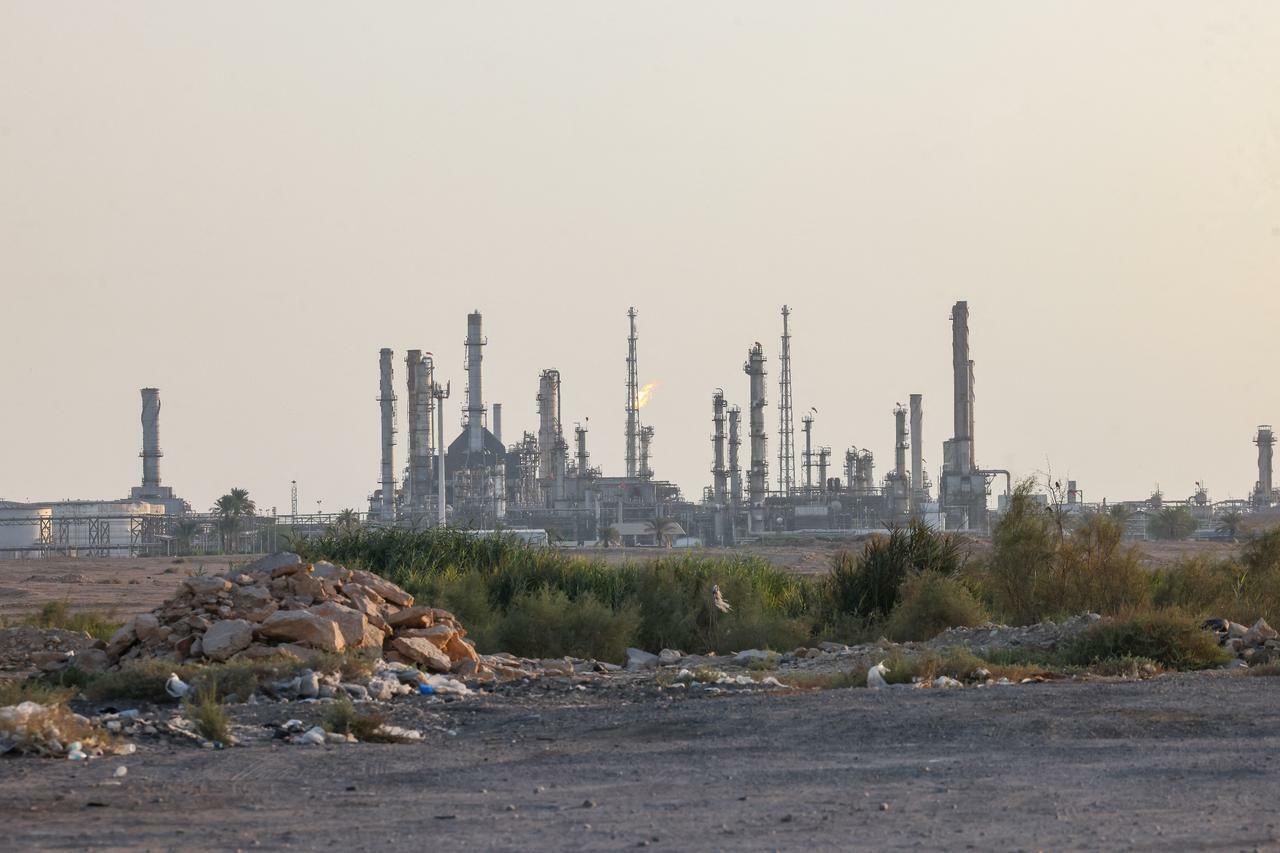
Saudi Arabia's vital East-West pipeline experienced another strike targeting a pumping station in Khurais, located east of Riyadh. According to industry insiders speaking with Agence France-Presse, the incident caused significant structural damage and briefly halted operations over the weekend. Nevertheless, subsequent updates confirmed that the approximately 745-mile conduit connecting eastern oilfields to the Yanbu terminal on the Red Sea has resumed normal operations, with crude flows continuing uninterrupted. Bloomberg corroborated that petroleum transportation remains steady despite the brief disruption. This security breach coincides with escalating hostilities involving Houthi forces in neighboring Yemen, where the Saudi-backed administration has declared a new military phase to reclaim strategic territories. Meanwhile, Houthi representatives dismissed recent pro-Riyadh official statements as exaggerated, highlighting persistent regional volatility that continues to threaten vital infrastructure and international shipping lanes.
AI 시장 분석
The Khurais booster station of Saudi Arabia's 745-mile East-West Pipeline was attacked, but oil flow soon normalized. Recurring geopolitical risks from the intensifying Yemeni civil war are amplifying energy market volatility. Investors must closely monitor the potential escalation of military conflicts in the Middle East and the stability of critical oil transit routes.
상승 영향
- Defense — Expectations for increased demand for weapon systems and defense spending are highlighted due to military clashes near the Saudi-Yemen border and the ongoing Houthi offensive.
- Oil — Heightened supply chain anxiety from the attack on a key Middle Eastern pipeline acts as upward pressure on crude oil futures prices, favoring related companies' profitability.
하락 영향
- Airlines — Expanded oil price volatility from heightened Middle Eastern geopolitical tensions directly leads to increased jet fuel costs, compounding margin pressures.
- Shipping — Adversely impacts profitability due to route detours and increased risk management costs as security anxieties rise in the Red Sea and adjacent waters.
DYAX 전담 분석
News of the attack on the Saudi East-West Pipeline briefly heightened Middle Eastern geopolitical risks and stimulated concerns over supply disruptions. Although the actual volume impact was limited as oil flows normalized immediately, the continuous offensive by Houthi rebels acts as a destabilizing factor for energy prices.
Key monitoring indicators are the potential expansion of the Yemeni civil war front and the stability of maritime logistics in the Bab al-Mandeb strait. If supply disruptions materialize, energy and defense stocks will face upward pressure, whereas airline and shipping stocks will face downward pressure due to increased transportation cost burdens.
AI가 생성한 분석으로 투자 자문이 아닙니다.
DYAX Investor Sentiment
Bullish (Long) 67% · Bearish (Short) 33%
408 participants
Related News
- Brazilian September Services PMI Drops to 49.2
- Brazil September S&P Global Composite PMI Slips to 47.4
- KPC CEO Highlights Ample Crude But Tight Refined Products Amid Regional Bottlenecks
- Houthi-Run Body Issues Airspace Warning to Carriers Over Saudi Arabia
- Houthi-Run Body Issues Airspace Warning to Airlines in Saudi Arabia
- India Engages Russia and Ukraine in Talks to Secure Black Sea Grain and Fuel Routes
