Tehran Gloats Over Midterm Results as US Voters Reject War
ZeroHedge ·
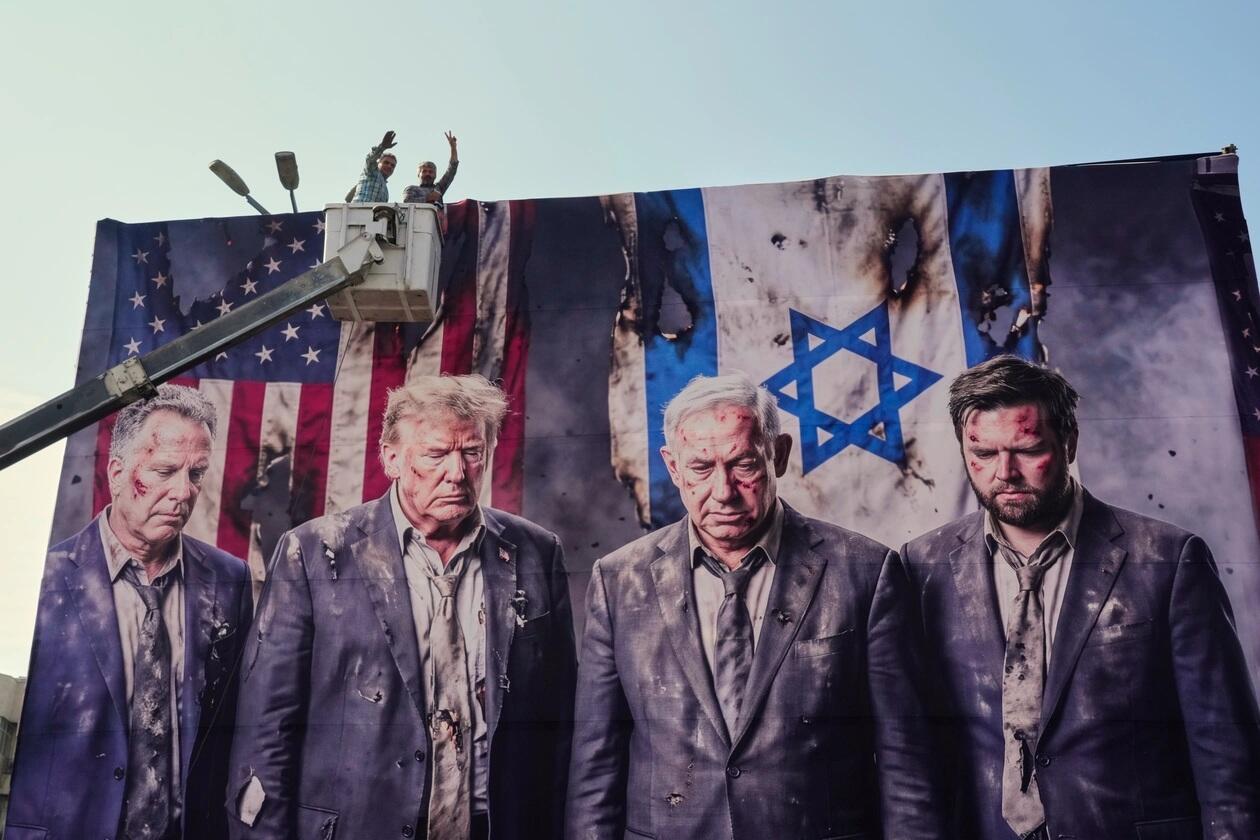
Following the Democratic sweep of both the US Senate and House in the midterm elections, Tehran has celebrated the outcome as a significant rebuke of Donald Trump, with officials claiming Americans voted decisively against military conflict. Iranian Parliament Speaker Mohammad Bagher Ghalibaf posted on X on Wednesday, November 4, 2026, that citizens rejected war due to conscience or living costs, warning the US administration of severe consequences if it defies the public mandate over the Strait of Hormuz. Despite the political shift in Washington, Supreme Leader Mojtaba Khamenei cautioned the Iranian public that partisan changes will not dismantle America's fundamental hostility toward Tehran, keeping the nation's military on high alert for potential retaliation.
AI 시장 분석
Following the US midterm elections where Democrats secured control of both houses, the Iranian leadership assessed that US anti-war sentiment has been confirmed. Amid tensions surrounding the Strait of Hormuz, Iran maintains a defensive posture against the US while showing a sense of relief regarding political changes. Investors should monitor how the shift in US political dynamics impacts Middle Eastern geopolitical risks and the energy market.
상승 영향
- Airlines — Expectations for stabilized oil prices and operational costs are reflected as geopolitical premiums diminish due to the easing probability of US-Iran military conflict and the prominence of anti-war sentiment.
하락 영향
- Defense — Expectations for defense budget increases driven by heightened future military tensions weaken due to the Democratic Party's control of both houses in the US midterms and the spread of anti-war sentiment.
DYAX 전담 분석
As legislative power was reshuffled following the US midterm elections, the possibility of braking the Trump administration's hardline stance on Iran has been raised. The Iranian leadership interprets this as a victory for domestic anti-war sentiment, maintaining vigilance while closely watching future policy shifts.
In the bullish scenario, Middle Eastern risks could ease due to reduced prospects of US military intervention, reviving risk-asset preferences. In the bearish scenario, as warned by the leadership, should unexpected military conflict occur, increased volatility due to crude oil supply disruptions is expected, requiring continuous monitoring of news related to the Strait of Hormuz.
AI가 생성한 분석으로 투자 자문이 아닙니다.
DYAX Investor Sentiment
Bullish (Long) 67% · Bearish (Short) 33%
299 participants
Related News
- Kazakhstan is reportedly dissatisfied with OPEC+'s oil production capacity assessment and is seeking a higher output quota, according to reports citing sources
- Poland reportedly asked NATO about the possibility of shooting down missiles over Ukraine, Bloomberg reports citing sources
- Treasury Block Trades [Rolling headline, November 25th 2026]
- ECB's Kocher says the economy is resilient but remains fragile, with second-round effects expected to become clearer in H1 2027; market pricing does not seem completely unreasonable
- Luxembourg Trade Balance (Sep) -0.84B (Prev. -0.94B)
- Russian military aircraft entered South Korea's air defence identification zone near Ulleungdo Island, prompting Seoul to scramble fighter jets, Defa press reports
