Top Iranian Clerical Body Labels NPT Exit a National Demand
ZeroHedge ·
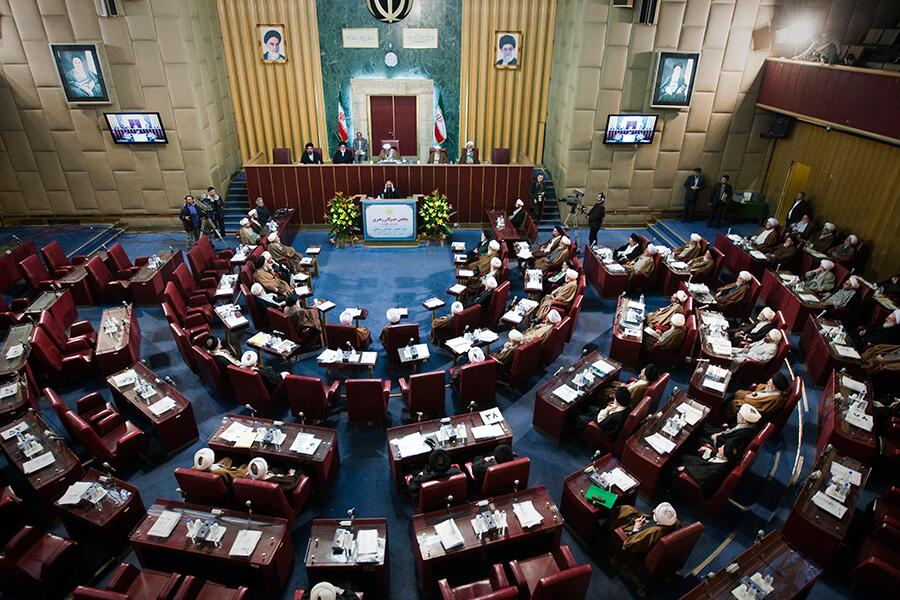
Iran's influential Assembly of Experts has officially described stepping away from the Nuclear Non-Proliferation Treaty as an unavoidable necessity and a broad public demand. According to the state broadcaster IRIB, the advisory body tied to the Supreme Leader issued a statement arguing that international organizations can no longer be trusted due to persistent threats against Iran's nuclear capabilities. The assembly suggested revisiting the nation's defense strategy and securing deterrence, noting that the final verdict rests with the supreme leader. While the statement stopped short of an immediate withdrawal command, it underscores a mounting escalation. Western capitals remain on high alert, with analysts warning that such rhetoric could provoke preemptive measures from Israel. Meanwhile, Iranian diplomats view potential treaty departure as a critical leverage tool during a period of heightened geopolitical tensions.
AI 시장 분석
Geopolitical tensions are rising as Iran's Assembly of Experts, the top clerical body, declared a withdrawal from the Non-Proliferation Treaty (NPT) as a national demand. This move deepens conflict with the West and heightens concerns of a preemptive strike by Israel, increasing uncertainty in global financial markets. Investors should pay attention to crude oil supply instability and the preference for safe-haven assets driven by escalating Middle East risks.
상승 영향
- Defense — As the risk of armed conflict in the Middle East grows due to Iran's hint at withdrawing from the nuclear agreement, expectations for benefits and earnings improvements for defense companies are rising.
- Crude Oil — Deepening geopolitical risks in the Middle East raise concerns about oil supply disruptions, acting directly as upward pressure on oil prices.
하락 영향
- Stock Market — Fears of geopolitical conflict and expanding uncertainty dampen investment sentiment across global stock markets and exert downward pressure.
- Airlines — Heightened tensions in the Middle East and rising oil prices increase fuel cost burdens for airlines and negatively impact profitability.
- Shipping — Geopolitical instability near major shipping routes leads to increased costs, such as operational disruptions and rising insurance premiums, acting as a negative factor for the shipping industry.
DYAX 전담 분석
Iran's hint at withdrawing from the NPT increases the likelihood of military conflict in the Middle East, stoking concerns about global supply chain disruptions. In particular, the risk of oil supply disruptions and geopolitical instability can dampen risk-asset sentiment and add upward pressure on inflation.
A bullish scenario involves self-restraint from escalation and risk resolution through diplomatic solutions, while a bearish scenario leads to actual military conflict, causing oil price spikes and stock market declines. Brent crude price volatility and Middle East-related geopolitical news should be monitored as core indicators.
AI가 생성한 분석으로 투자 자문이 아닙니다.
DYAX Investor Sentiment
Bullish (Long) 40% · Bearish (Short) 60%
298 participants
Related News
- New US tariffs will be targeted and will not exceed trade deal levels, according to CNBC citing sources
- Nearly A Dozen Injured After Houthi Missile Strikes Tallest Tower In Saudi Capital
- US is expected to honour previous trade deals to lower the huge levies Trump imposed in the early months of his second term in office, meaning the new levies will be capped for those countries, according to the FT citing sources
- US sells 6-wk bills at high-rate 4.085%, B/C 2.88x; sells 1-yr bills at high-rate 4.365%, B/C 3.04x
- US President Trump's admin is set to disclose new tariffs following probe on excess factory capacity, according to Reuters
- US Trump Administration Officials are reportedly debating targeting Iran's leaders, NBC reports citing sources; a move aiming to remove hardliners from the regime
