5 Key Takeaways From the Recent US-China Tariff Relief Lists
ZeroHedge ·
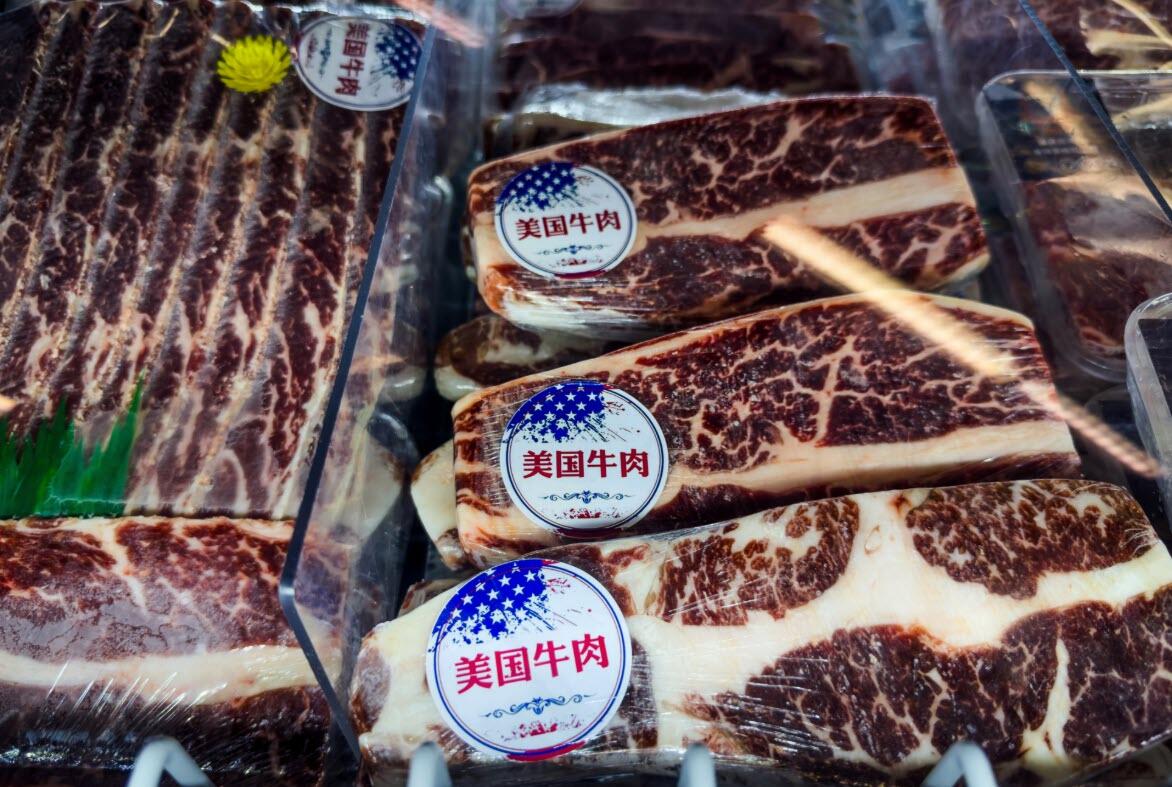
The United States and China have published product rosters covering approximately $30 billion of imports in both directions, allowing for potential tariff reductions following the agreement reached after Chinese leader Xi Jinping traveled to Washington. These catalogs encompass 77 categories of Chinese merchandise entering the U.S. and 1,619 categories of American goods entering China, representing roughly $60 billion in total two-way trade based on 2024 figures designated as non-sensitive. The American roster features items like toys and child safety seats, while the Chinese catalog includes agricultural items, seafood, and medical equipment. Crucially, ordinary commercial soybeans are omitted, though planting seeds and derivative goods are present. Treasury Secretary Scott Bessent noted on Sept. 23 that Beijing fulfilled its annual soybean purchasing target. Publishing these items does not instantly reduce duties; both nations must finish domestic legal procedures before simultaneous implementation, and no enforcement date has been fixed yet.
AI 시장 분석
The US and China have announced a new list of goods to lower tariffs on approximately $30 billion worth of bilateral imports. This agreement focuses on non-sensitive items, with the US including 77 categories such as toys and playthings, and China including 1619 categories such as agricultural and fishery products. The specific implementation date has not yet been finalized and will be implemented simultaneously after undergoing domestic legal procedures.
상승 영향
- Agriculture — As China includes US agricultural and livestock products such as wheat, corn, and marine products in the tariff reduction list, an expansion of export volume to China and earnings improvement are expected.
- Consumer Goods — As the US applies tariff relief to 77 categories of Chinese goods including toys, games, and household items, import costs may decrease and distribution margins improve.
하락 영향
- Soybeans — As general commercial soybeans, a major US export, were excluded from this tariff reduction list, short-term benefit opportunities for related soybean export companies were limited.
DYAX 전담 분석
The tariff easing measures by both the US and China are expected to bring direct cost reduction effects to $6.0 billion worth of trade in non-sensitive items and contribute to margin improvements for related import and export companies. In particular, China's expansion of US agricultural and medical toy imports acts as a signal for earnings recovery in those sectors.
The timing of the completion of domestic legal procedures in each country and the actual effective date of the tariff reductions are key monitoring indicators. If legal procedures are delayed, expectations may dissipate and stock price volatility could expand, so related regulatory news must be closely tracked.
AI가 생성한 분석으로 투자 자문이 아닙니다.
DYAX Investor Sentiment
Bullish (Long) 42% · Bearish (Short) 58%
504 participants
Related News
- Fed's Goolsbee Warns That Prolonged Inflation Above Target Is Dangerous
- Fed's Williams Hints at Potential Further Rate Hike This Year While Stressing Patience
- Fed's Williams Sees No Urgency for Rate Moves After September Hike
- Hegseth Expected to Unveil Plan to Cut General and Admiral Positions by 20%
- Bank of Canada Delays GoC Bond Purchase Timeline to Late 2027 or 2028
- St. Louis Fed Chief Alberto Musalem Warns Against Reducing Central Bank Communication
