Iran Conflict Propels VLCC Earnings to Record $650,000 Daily
ZeroHedge ·
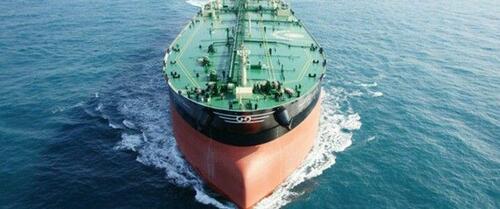
According to Baltic Exchange figures cited by Bloomberg, earnings on the benchmark Saudi Arabia-to-China supertanker route surged to an unprecedented $647,000 per day on Thursday. This figure represents more than a tenfold increase compared to the same period last year and sits nearly 27% higher than the $510,000 recorded just ten days prior. The dramatic spike occurs as Persian Gulf oil producers ramp up crude shipments through the Strait of Hormuz amidst the ongoing Iran conflict, triggering a severe vessel shortage. Furthermore, Houthi attacks in the Red Sea have compelled Saudi Arabia to reroute shipments through the Mediterranean and around Africa, adding roughly 30 days to Asia-bound journeys. Consequently, freight rates outside the strait are also soaring, with Oman-to-China tanker costs jumping from $131,000 a month ago to approximately $220,000 per day. Industry traders estimate current Hormuz outflows between 6 million and 8 million barrels per day, reflecting persistent logistical challenges.
AI 시장 분석
Due to the Iran war and Hormuz Strait risks, the Very Large Crude Carrier (VLCC) freight rate for the Saudi-China route hit a record high of $647,000 per day. A shortage of vessels and the emergence of double freight rates are causing crude transportation costs to surge, heavily impacting the overall energy logistics market. Investors must closely monitor shipping rate trends and changes in the crude supply chain driven by geopolitical risks.
상승 영향
- Shipping — Hormuz Strait risks and vessel shortages caused VLCC freight rates to skyrocket to $647,000 per day, maximizing shipowners' profitability.
하락 영향
- Crude Oil — Transportation costs spiked to around $20 million per voyage and a double freight rate structure formed, sharply increasing actual crude supply costs and exerting downward pressure on crude demand.
- Chemicals — The rapid rise in crude transport and logistics costs leads to higher basic feedstock prices, increasing cost burdens and eroding margins for the chemical sector.
- Consumer Goods — The overall surge in shipping and energy logistics costs adds inflationary pressures across the global supply chain, deteriorating profitability for consumer goods companies.
DYAX 전담 분석
Driven by the outbreak of the Iran war and avoidance of the Hormuz Strait, VLCC freight rates skyrocketed over tenfold year-over-year to $647,000 per day. Combined with Houthi attacks in the Red Sea, the use of detour routes has prolonged voyage days and deepened vessel shortages, causing transportation costs to soar and intensifying margin pressure on import-export companies.
In the bullish scenario, the continuation of geopolitical risks could allow tanker operators to enjoy record-breaking short-term booms. However, in the bearish scenario, surging crude transportation costs could stimulate global inflation and lead to a contraction in crude demand. Future attention must be paid to Hormuz Strait traffic volume and daily freight rate indicators.
AI가 생성한 분석으로 투자 자문이 아닙니다.
DYAX Investor Sentiment
Bullish (Long) 49% · Bearish (Short) 51%
247 participants
Related News
- Why GE Vernova Shares Declined Despite a 68% Surge in Electrification Revenue from Data Center Agreements
- InterDigital May Be Undervalued by 28% Amid Licensing Focus
- Amkor Technology: AI Packaging Trends and Undervalued Status
- Historical Precedents for Ford Stock Following Annual Deficits
- PayPal Shares Plunge 12.7% Following Collapsed Buyout Discussions
- Wall Street Slips on Inflation Caution as September Rate Hike Odds Hit 57.5 Percent
