Lithuanian Parliament Takes Step to Overturn Nuclear Weapons Ban
ZeroHedge ·
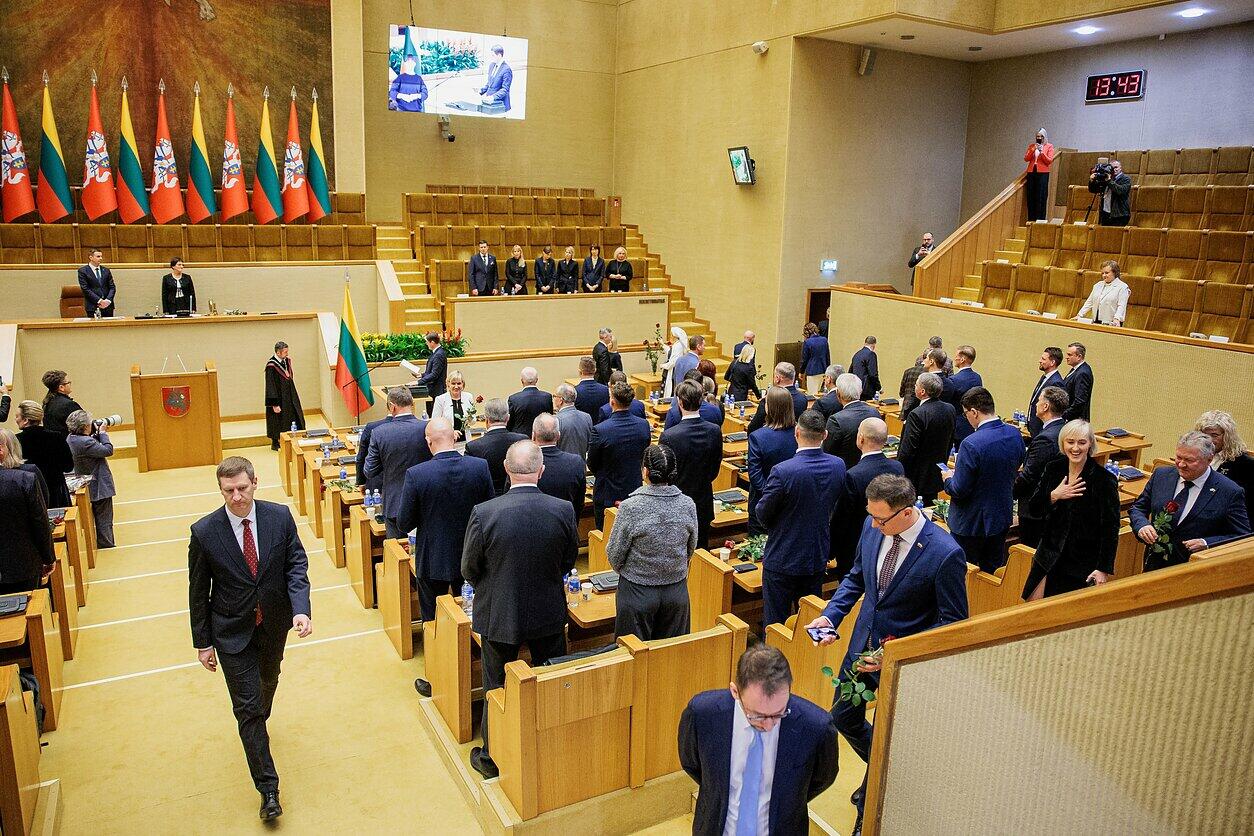
The Lithuanian parliament, known as the Seimas, has voted 106-18 to advance a constitutional amendment designed to repeal the nation's ban on nuclear weapons. This legislative milestone follows President Gitanas Nauseda's statement in July emphasizing the country's aspiration to join NATO's nuclear sharing framework. To become official, the constitutional revision must clear a second vote following a mandatory three-month pause. Approval from at least 94 out of the 141 lawmakers is required in both rounds, with the final ballot anticipated on January 12. Viktorija Cmilyte-Nielsen, head of the Liberal Movement parliamentary faction, noted that the reform would permit Lithuanian forces to fully engage in all alliance deterrence exercises. Remigijus Motuzas, chairman of the Foreign Affairs Committee, pointed out that neighbors like Latvia, Estonia, and Poland lack similar legal hurdles. Currently, Article 137 of the Lithuanian Constitution strictly prohibits the placement of weapons of mass destruction and foreign military installations on domestic soil.
AI 시장 분석
The Lithuanian parliament passed a constitutional amendment with a 106-18 vote to lift the nuclear weapons ban, passing the first hurdle to joining the NATO nuclear sharing program. This move drastically escalates geopolitical tensions in the Baltic region bordering Russia. Investors should pay attention to the benefits for the defense sector and the broader expansion of stock market volatility due to deepening geopolitical risks.
상승 영향
- Defense — Lithuania's push to join NATO nuclear sharing and heightened geopolitical tensions lead to increased military buildup and weapons demand among NATO member states, acting as a tailwind for defense companies' earnings.
하락 영향
- Stock Market — The possibility of nuclear weapons deployment near the Russian border brings geopolitical conflicts to a peak, dampening investor sentiment and applying downward pressure on the global stock market overall.
- Airlines — Route detours and increased safety costs are expected due to expanding geopolitical risks in the airspace of Eastern Europe and the Baltic Sea, acting as a negative factor for airline profitability.
DYAX 전담 분석
Lithuania's push to lift the nuclear weapons ban maximizes military tensions near the Russian border, directly leading to increased defense spending and expanded defense demand. The overwhelming parliamentary approval rate of 106 to 18 increases the likelihood of future procedures, which is the driving force behind the immediate rise in the geopolitical risk premium.
In the bullish scenario, defense-related stocks will continue to benefit from expectations of strengthened military power among NATO allies, while in the bearish scenario, the broader stock market and risk assets could take a major hit due to fears of armed conflict with Russia. The parliamentary voting results and Russia's military response level until the final vote scheduled for January 12 next year should be monitored as core indicators.
AI가 생성한 분석으로 투자 자문이 아닙니다.
DYAX Investor Sentiment
Bullish (Long) 32% · Bearish (Short) 68%
364 participants
Related News
- IRGC Advisor Threatens Action in Strait of Hormuz
- UK Gilt Tender Draws Weaker Demand as Yields Rise and Bid-to-Cover Drops
- IRGC Adviser Claims Hormuz Closure Until Demands Are Met
- Mexico September Foreign Exchange Reserves Decline to $255.95B
- Iranian Parliament Head Assures Stable Gas Supply After South Pars Incidents
- ECB Officials Discuss Inflation and Fiscal Policy
