Iran Rejects Nuclear Talks Until US Fulfills Demands
ZeroHedge ·
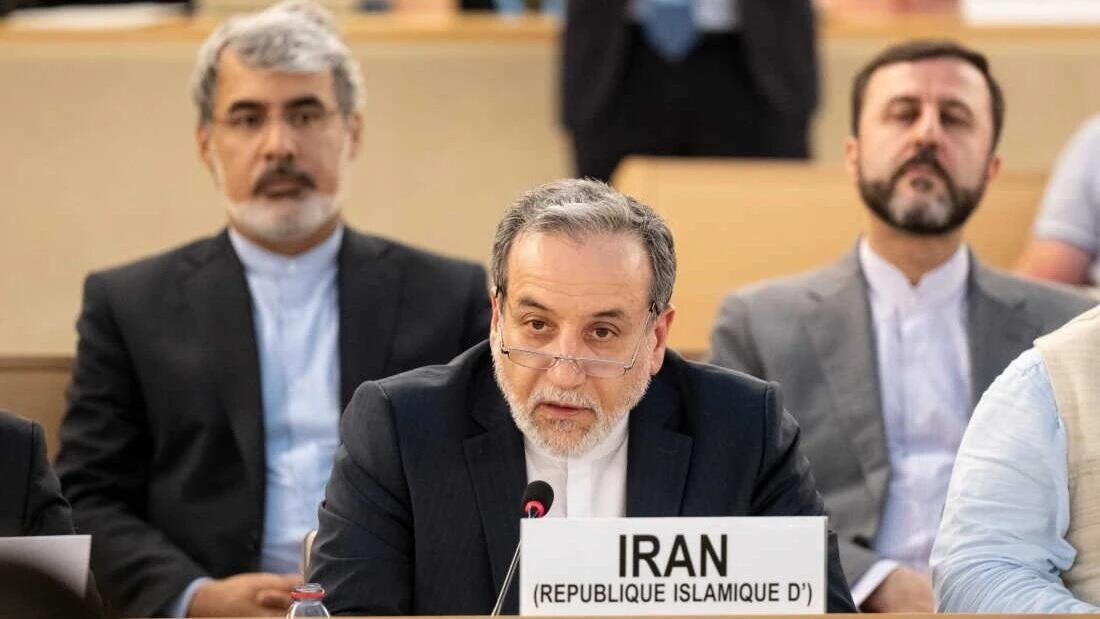
No nuclear diplomacy is currently underway between Washington and Tehran, according to an Iranian official cited by Reuters on Wednesday. The insider stated that the Islamic Republic will refuse to engage in discussions regarding its atomic ambitions unless the US satisfies specific prerequisites first. Specifically, American recognition of Iran's right to uranium enrichment remains a non-negotiable red line with zero flexibility. This stance follows remarks made by US Vice President JD Vance on October 5, urging Tehran to significantly scale down its enrichment capacity. Vance also questioned the true authority held by Iranian President Masoud Pezeshkian and Foreign Minister Abbas Araghchi within the regime's hierarchy. In response, Iranian Foreign Ministry spokesman Esmail Baghaei blamed contradictory messaging from Washington for the diplomatic stalemate. Meanwhile, US President Donald Trump reiterated claims that Iran's nuclear program has been obliterated, despite contrary findings from US intelligence reports.
AI 시장 분석
Iran has drawn a line against nuclear negotiations by refusing U.S. demands to scale back its nuclear program. Vice President JD Vance demanded a reduction in uranium enrichment, but Iran dismissed it. This escalation of geopolitical tensions raises concerns over oil supply disruptions and amplifies uncertainty in financial markets. Investors must closely monitor whether Middle East risks will expand.
상승 영향
- Crude Oil — Concerns over Middle East oil supply disruptions are growing due to the breakdown of nuclear talks and heightened tensions between the U.S. and Iran, directly generating upward pressure on oil prices.
- Defense — As geopolitical conflicts and military tensions in the Middle East intensify, expectations for new orders and the potential for improved earnings among major defense contractors increase.
하락 영향
- Stock Market — The intensification of diplomatic confrontation between the U.S. and Iran spreads risk-off sentiment in global financial markets, exerting downward pressure on the overall stock market.
- Airlines — Rising oil prices due to geopolitical conflicts sharply increase the burden of fuel costs, which are a core expense for airlines, directly and negatively impacting profitability.
DYAX 전담 분석
The deadlock in nuclear negotiations and the conflict over enriched uranium between the U.S. and Iran directly increase geopolitical risks in the Middle East. In particular, the U.S.'s hardline stance and Iran's adherence to its red lines heighten anxiety over the energy supply chain, acting as an immediate upward pressure on the crude oil and commodity markets.
Depending on Iran's future additional provocations or the strengthening of U.S. sanctions, crude oil price volatility could become extreme. Investors should closely monitor Middle East geopolitical news flow along with crude oil futures prices and supply-demand trends of defense-related stocks.
AI가 생성한 분석으로 투자 자문이 아닙니다.
DYAX Investor Sentiment
Bullish (Long) 54% · Bearish (Short) 46%
420 participants
Related News
- Indonesia Excludes Danantara SOE Dividends from 2026-2027 Budget Plans
- Tokyo Financial Exchange Debuts New BoJ Rate Futures Amid Accelerating Policy Shifts
- Trump Comments on Iran Negotiations as Envoy Progresses Talks
- Tasnim Reports Unofficial Yemeni Missile Attack Toward Saudi Arabia
- Japanese PM Takaichi Emphasizes Fiscal Stability as Policy Prerequisite
- Yemeni Houthis Intensify Strikes on Saudi Targets, Briefly Disrupting Riyadh Air Traffic
