US Treasury Secretary Scott Bessent Outlines Economic Strategy to Collapse Iran Regime
ZeroHedge ·
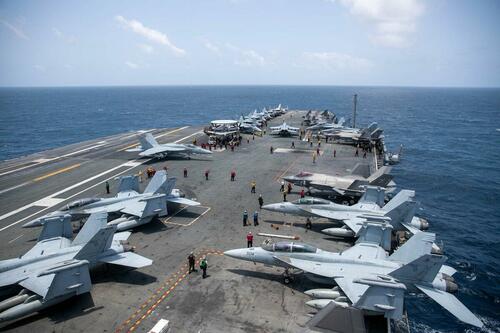
US Treasury Secretary Scott Bessent stated during a CNBC appearance that Washington aims to undermine the Iranian administration through intensive economic warfare rather than initiating major military engagements. Speaking on Squawk on the Street, Bessent explained that enforcing maximum economic pressure significantly reduces the probability of a large-scale kinetic campaign. The administration is reportedly reviving classic diplomatic ultimatums, warning international allies to choose a side and completely sever financial and energy ties with Tehran or face severe consequences from the US Treasury. This aggressive strategy coincides with the deployment of the USS George Washington to the Middle East, replacing the USS Lincoln. Meanwhile, Iranian officials have dismissed the threats as mere political diversion and economic terrorism, while market observers remain focused on regional trade stability, particularly around the crucial Strait of Hormuz.
AI 시장 분석
US Treasury Secretary Scott Bessent stated that the strategy to collapse the Iranian regime through economic sanctions is being pursued, with the likelihood of a large-scale military conflict being low. This maximum pressure strategy is increasing geopolitical tensions by pressuring global nations to halt trade with Iran. Investors should closely monitor the global oil supply chain and the economic repercussions in the Middle East region.
상승 영향
- Crude Oil — Comprehensive US economic sanctions against Iran and pressure to block crude oil trade exacerbate global supply anxiety, acting as upward pressure on oil prices.
- Defense — Sustained geopolitical tensions in the Middle East and military-security alertness, such as the deployment of US carrier strike groups, provide a positive investment sentiment for defense stocks.
하락 영향
- Shipping — Intensified sanctions in the Middle East and uncertainty regarding transit through the Strait of Hormuz cause shipping companies to alter routes and increase logistics costs, adversely affecting profitability.
- Chemicals — Disruptions in the supply of Iranian crude oil and energy resources drive up basic chemical raw material prices, leading to margin compression for chemical companies.
DYAX 전담 분석
High-intensity US economic sanctions are blocking Iran's crude oil exports, increasing uncertainty in the global energy market. Amid persistent concerns over disruptions to oil transportation in the Strait of Hormuz, intensified sanctions can stimulate supply anxiety and directly impact related asset prices.
In the bullish scenario, oil supply disruptions driven by sanctions may be highlighted, leading to higher energy prices, whereas the bearish scenario could lead to a contraction in global trade. Key monitoring indicators are the volume of Iranian crude oil exports and actual vessel traffic through the Strait of Hormuz.
AI가 생성한 분석으로 투자 자문이 아닙니다.
DYAX Investor Sentiment
Bullish (Long) 49% · Bearish (Short) 51%
358 participants
Related News
- US Treasury to Auction USD 8 Billion in 30-Year TIPS
- Peru PM Pledges Approval for 240 Mining Projects This Year
- UK Major Banks Issue Fresh Warning Against Tax Hikes Ahead of October Budget
- US Central Command Redirects 67 Vessels Amid Iran Blockade
- US 30-Year Mortgage Rate Slips to 6.65% on August 20
- US 15-Year Mortgage Rate Eases to 5.95 Percent
