Why Low-Cost Missiles Alone Cannot Form the Future of U.S. Arsenals
Sandboxx News ·
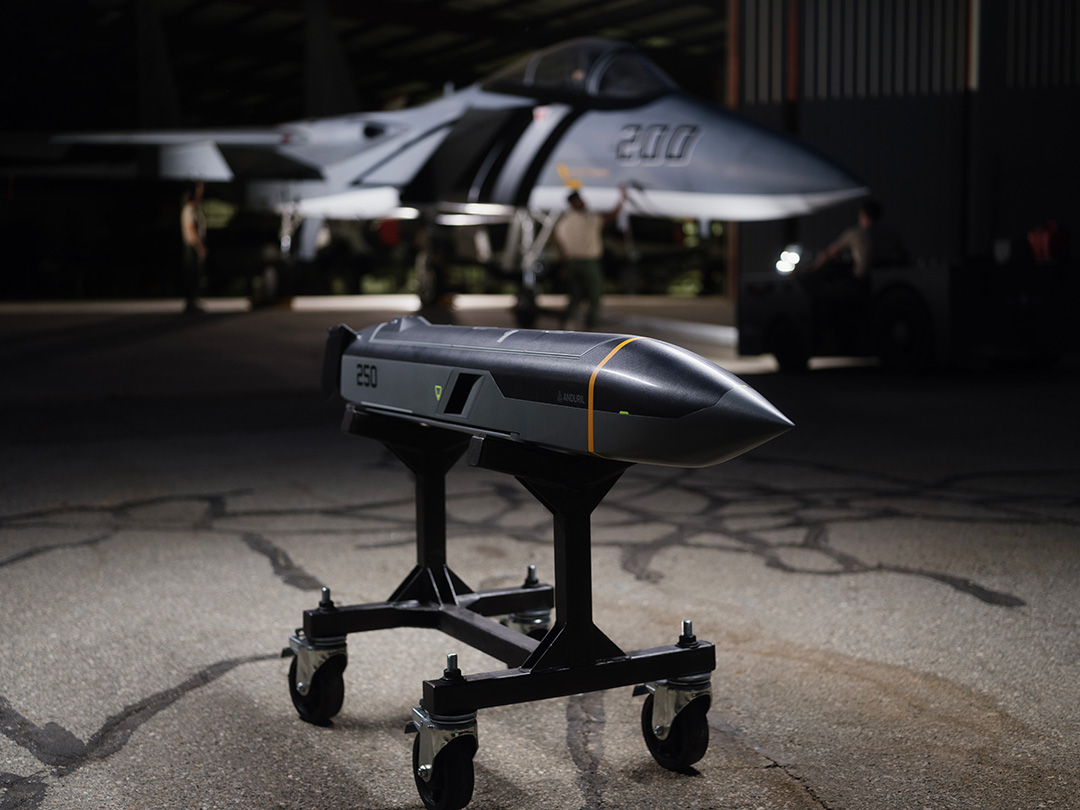
The U.S. Navy recently granted Raytheon a contract valued at nearly $23 billion to boost production of Tomahawk cruise missiles. As firms like Anduril manufacture cruise weapons for roughly $150,000 each, observers question why Washington continues purchasing million-dollar Tomahawks. With precision munitions stockpiles declining due to engagements against Iran, pressure has intensified to manufacture greater volumes of economical systems. While affordable alternatives like Anduril's Barracuda lineup will significantly influence future combat, they are not designed to fully replace premier systems such as the Navy's Tomahawks or the Air Force's JASSMs. Instead, these economical assets provide complementary capabilities, operating alongside high-end munitions to ensure maximum tactical flexibility. Analysts warn against spec sheet syndrome, a common pitfall of comparing complex weapon systems based solely on surface-level metrics like range and payload capacity.
AI 시장 분석
The U.S. Navy has awarded Raytheon a production contract for Tomahawk cruise missiles valued at approximately $23 billion, securing precision-guided munitions. As inventories decline due to conflicts with Iran, the need for concurrent production of low-cost weapons and high-performance missiles is emerging. Investors should pay attention to large-scale orders and production expansion in the defense sector.
상승 영향
- Defense — Earnings growth for defense companies is expected as the U.S. Navy awards Raytheon a Tomahawk missile production contract worth approximately $23 billion and demand for low-cost weapons increases.
DYAX 전담 분석
The U.S. Navy's $23 billion Tomahawk contract and the expanded adoption of low-cost weapons are directly linked to the revenue growth of defense companies. As low-cost systems like Anduril's Barracuda and Raytheon's high-performance missiles are utilized complementarily, the order backlogs across the defense industry are projected to increase.
The bullish scenario involves a significant improvement in defense earnings driven by defense budget increases and continuous weapon inventory replenishment, while the bearish scenario entails cost control pressures or production disruptions. Key indicators to monitor going forward include the pace of the U.S. Department of Defense's weapons procurement budget execution and additional contract announcements.
AI가 생성한 분석으로 투자 자문이 아닙니다.
DYAX Investor Sentiment
Bullish (Long) 32% · Bearish (Short) 68%
436 participants
Related News
- US Navy Conducts First Live-Fire Missile Test with Saildrone USV
- IRS Keeps Overpayment and Underpayment Interest Rates at 7 Percent for Q4 2026
- Portable 1MW Kaleidos Microreactor Secures Critical Nuclear Fuel Deal Through 2030s
- Tehran Labels US Sanctions a 'Declaration of War' Against Global Community, Demands Worldwide Resistance
- Canada Signals Retaliatory Tariffs Against U.S. Following Breakdown of Trade Talks
- Canada-US Trade War Erupts as Washington Imposes 50% Tariffs on Canadian Goods
