US Imposes Sanctions on Charity and Smuggling Ring Funding Hezbollah
ZeroHedge ·
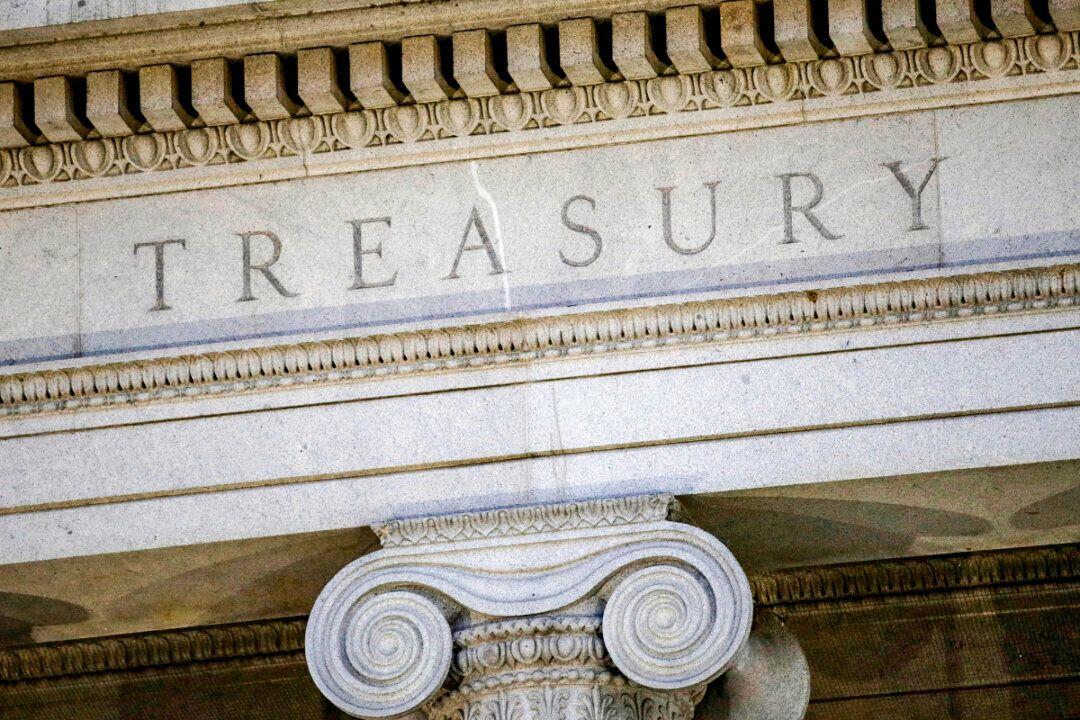
The U.S. Treasury Department has announced fresh sanctions against a charity and a gold-and-cash smuggling network accused of channeling funds to the Iran-backed militant group Hezbollah. According to a November 18 announcement, the Treasury's Office of Foreign Assets Control designated the Lebanon-based Wa Ta'awanu Association, which operated under the guise of humanitarian relief to conceal its terrorist financing activities. Alongside this charity, authorities targeted members of a smuggling ring operating across Lebanon and Türkiye. U.S. Treasury Secretary Scott Bessent stated that the government will persistently dismantle Iran's efforts to project regional influence and finance its proxy organizations. The Treasury previously launched Operation Economic Outcast in August to systematically sever financial backing for Hezbollah and Kata'ib Hezbollah from Tehran.
AI 시장 분석
The U.S. Department of Treasury has imposed new sanctions targeting charities and gold-and-cash smuggling networks involved in Hezbollah's financing. This action escalates geopolitical tensions in the Middle East, stimulating risk-aversion sentiment in global financial markets. Investors must closely monitor the trends in crude oil supply-demand and safe-haven preferences driven by the expanding Middle East risks.
상승 영향
- Gold — Escalating geopolitical tensions in the Middle East and sanctions against Hezbollah strengthen safe-haven preference sentiment, increasing upward pressure on gold prices.
- Defense — U.S. counter-terrorism sanctions and intensifying conflicts in the Middle East elevate military tensions, stimulating expectations for orders among defense contractors.
하락 영향
- Airlines — Expanding Middle East geopolitical risks increase oil price volatility and add to jet fuel cost burdens, negatively impacting profitability.
- Shipping — Security instability in the Middle East leads to logistics disruptions along major maritime transport routes and rising insurance premiums, increasing cost burdens.
DYAX 전담 분석
The U.S. Treasury's crackdown on Hezbollah's funding sources may deepen geopolitical instability in the Middle East, dampening investment sentiment toward global risk assets. In particular, if conflicts surrounding Hezbollah and Iran escalate, it could lead to instabilities in energy supply chains, acting as a factor that increases market volatility.
In the bullish scenario, geopolitical risks will be contained due to the highlighted effectiveness of the sanctions, allowing the stock market to stabilize; however, in the bearish scenario, concerns over retaliatory actions and disruptions in crude oil supply could accelerate the selling of risk assets. Key monitoring indicators are military developments in the Middle East and international crude oil volatility.
AI가 생성한 분석으로 투자 자문이 아닙니다.
DYAX Investor Sentiment
Bullish (Long) 27% · Bearish (Short) 73%
398 participants
Related News
- Iran Hints at Diplomatic Progress With US Amid Regional Escalation in Bahrain and Saudi Arabia
- Project Aerodynamic: How the CIA Weaponized Ukraine in Covert Operations
- Trump Mandates Federal Contractors to Report Congressional Inquiries
- Trump Dismisses Russian Missiles Landing in Poland as Mistakes
- Ukraine Strikes Commercial Vessel In Gulf Of Finland In War First
- EU Budget Chief Proposes EUR 40 Billion Cut and New Digital Tax
