Iran Hints at Diplomatic Progress With US Amid Regional Escalation in Bahrain and Saudi Arabia
ZeroHedge ·
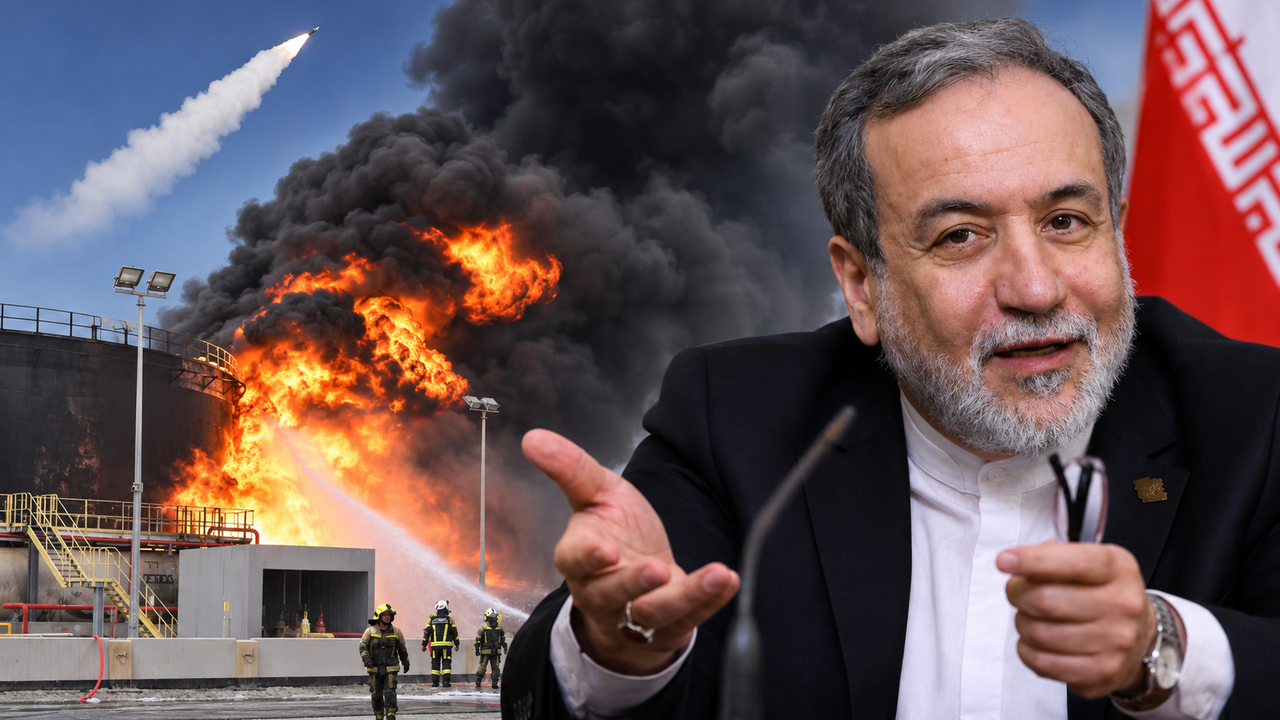
Iranian Foreign Minister Abbas Araghchi stated that Tehran still believes a pathway to a final agreement with Washington remains open, even as regional tensions flared significantly. The remarks came as Bahrain reported two injuries, including one critical condition, following an Iranian strike that ignited a civilian industrial facility. Meanwhile, the Saudi-led coalition successfully intercepted Houthi drones and ballistic missiles targeted at Riyadh and the kingdom's oil-rich western territory. Speaking to the state-run daily Iran, Araghchi acknowledged that while the Islamabad Memorandum of Understanding signed in June by President Trump and Iranian President Masoud Pezeshkian is no longer valid, the underlying commitments and principles required for a permanent peace are still recognized by both nations. Araghchi also reiterated that Tehran is willing to reopen the Strait of Hormuz if specific conditions are fulfilled, noting that a proposed implementation timeline could be shortened significantly. Communications between Washington and Tehran are reportedly ongoing through mediators in Qatar and Pakistan.
AI 시장 분석
Despite Iran's airstrike on Bahraini industrial facilities and Houthi missile launches toward Riyadh, Saudi Arabia, the Iranian Foreign Minister hinted at the possibility of a final agreement with the United States. While communications continue between the two nations regarding the conditions for reopening the Strait of Hormuz, geopolitical tensions in the Middle East have reached a peak. Investors must pay close attention to supply chain disruptions and volatility in the crude oil market caused by the escalating Middle East risks.
상승 영향
- Defense — Rising military tensions and missile strikes in the Middle East increase weapon demand, acting as a catalyst for orders and earnings at defense companies.
- Crude Oil — Armed conflicts near Middle Eastern oil producers and concerns over the closure of the Strait of Hormuz highlight supply disruptions, increasing upward pressure on oil prices.
- Gold — Deepening geopolitical risks sharply increase the preference for safe-haven assets, driving up the prices of gold and other safe havens.
하락 영향
- Airlines — Armed conflicts in the Middle East and risks of airspace control increase jet fuel costs and cause disruptions in flight routes, deteriorating profitability.
- Shipping — Threats to Middle Eastern ports and concerns over strait closures force vessels to choose alternative routes, increasing transportation costs and causing supply chain delays.
- Consumer Goods — Rising logistics and energy costs driven by geopolitical conflicts increase overall inflationary pressure, shrinking consumer purchasing power.
AI가 생성한 분석으로 투자 자문이 아닙니다.
DYAX Investor Sentiment
Bullish (Long) 73% · Bearish (Short) 27%
386 participants
Related News
- US Imposes Sanctions on Charity and Smuggling Ring Funding Hezbollah
- Project Aerodynamic: How the CIA Weaponized Ukraine in Covert Operations
- Trump Mandates Federal Contractors to Report Congressional Inquiries
- Trump Dismisses Russian Missiles Landing in Poland as Mistakes
- Ukraine Strikes Commercial Vessel In Gulf Of Finland In War First
- EU Budget Chief Proposes EUR 40 Billion Cut and New Digital Tax
