US to Station Anti-Ship Missiles on Japanese Island Close to Taiwan
ZeroHedge ·
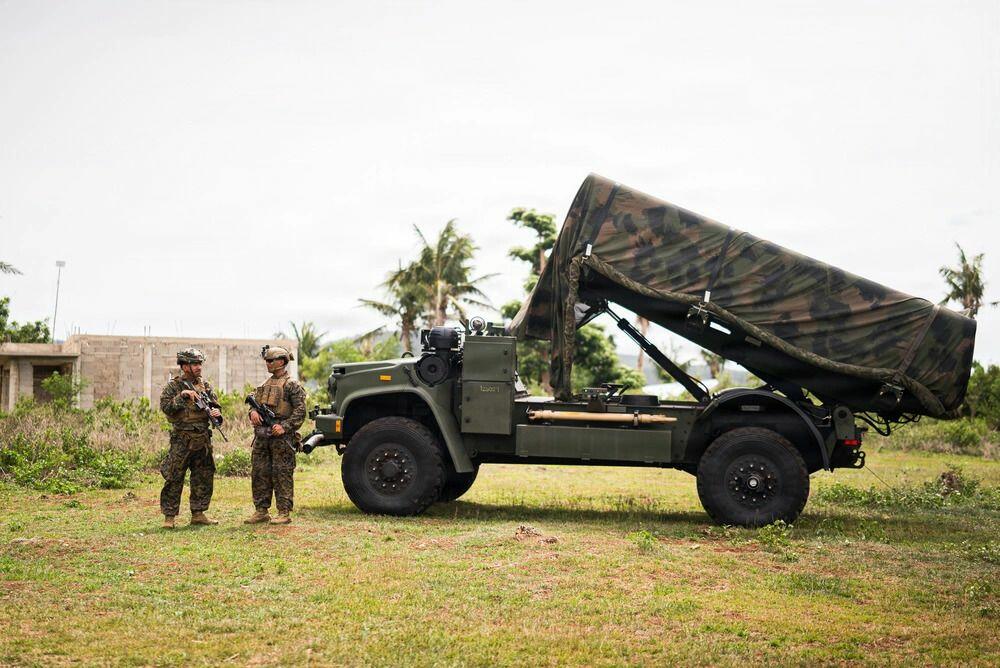
The United States military is set to deploy an anti-ship missile system to Yonaguni, Japan's westernmost island situated merely 68 miles east of Taiwan, marking a historic escalation in regional friction with China. Reported by AntiWar.com, the deployment involves the Navy-Marine Expeditionary Ship Interdiction System, or NMESIS, integrated into the Keen Sword biennial joint exercise between the US and Japan. Featuring an operational range of approximately 115 miles, the NMESIS places maritime vessels along Taiwan's eastern coastline within direct striking distance. Chinese military analyst Song Zhongping warned that the move elevates the probability of strategic miscalculations, potentially prompting Beijing to execute counter-drills. Initially revealed by the Okinawa Defense Bureau on October 1, the deployment also encompasses the Marine Air Defense Integrated System, known as Maidas. This initiative reflects the Marine Corps Force Design strategy established in 2022, aimed at deploying agile, missile-equipped littoral regiments along the First Island Chain to counter potential future conflicts.
AI 시장 분석
The U.S. military has decided to deploy the NMESIS anti-ship missile system to Japan's Yonaguni Island, located just 68 miles from Taiwan. This sharply escalates geopolitical tensions with China, raising concerns over disruptions in supply chains and maritime logistics. Investors should consider incorporating defensive assets with the expansion of geopolitical risks in mind.
상승 영향
- Defense — The U.S. missile deployment on islands near Taiwan and heightened U.S.-China military tensions directly lead to increased global defense spending and weapons demand, driving up sales and stock prices of defense companies.
- Gold — As geopolitical conflicts and the risk of armed clashes between the U.S. and China grow, safe-haven sentiment spreads rapidly, acting as upward pressure on gold prices.
하락 영향
- Stock Market — Heightened U.S.-China military tensions dampen global investor sentiment and raise the geopolitical risk premium, increasing downward pressure on the broad stock market.
- Shipping — Military drills and heightened tensions around the Taiwan Strait cause operational disruptions and detour costs on major maritime routes, deteriorating the profitability of the shipping industry.
- Airlines — Potential restrictions on passing through airspace and waters near Taiwan, along with rising fuel and insurance costs due to geopolitical instability, lead to increased expenses for airlines.
DYAX 전담 분석
The deployment of U.S. anti-ship missiles to Yonaguni Island and the establishment of a strike zone with a 115-mile range bring military tensions around the Taiwan Strait to a peak. Combined with China's intensified coast guard and naval activities, there is a high risk of direct impact on vessels and supply chains passing through the region.
In the event of escalating U.S.-China conflicts, shipping and airline stocks are likely to weaken due to transportation disruptions and increased costs, while defense and gold, serving as geopolitical hedging tools, will benefit. Key indicators to watch are the scale of China's military drills and the level of maritime control.
AI가 생성한 분석으로 투자 자문이 아닙니다.
DYAX Investor Sentiment
Bullish (Long) 57% · Bearish (Short) 43%
472 participants
Related News
- France to Release 10M Barrels of Diesel from Strategic Reserves
- NY Fed Survey Shows One-Year Inflation Expectations Hit Three-Year High
- French Finance Ministry Confirms No Shifts in Bond Issuance Strategy
- Italy Considers Acquiring Euronext's MTS Stake for Debt Control
- Japan Set to Aid Philippines in Boosting Petroleum Reserves Under October 8 Pact
- US Issues 17-Week Bills at 4.105% High Rate with 3.10x Bid-to-Cover
