Pentagon Raises Combat Pay For First Time Since 2002 As Iran War Persists
ZeroHedge ·
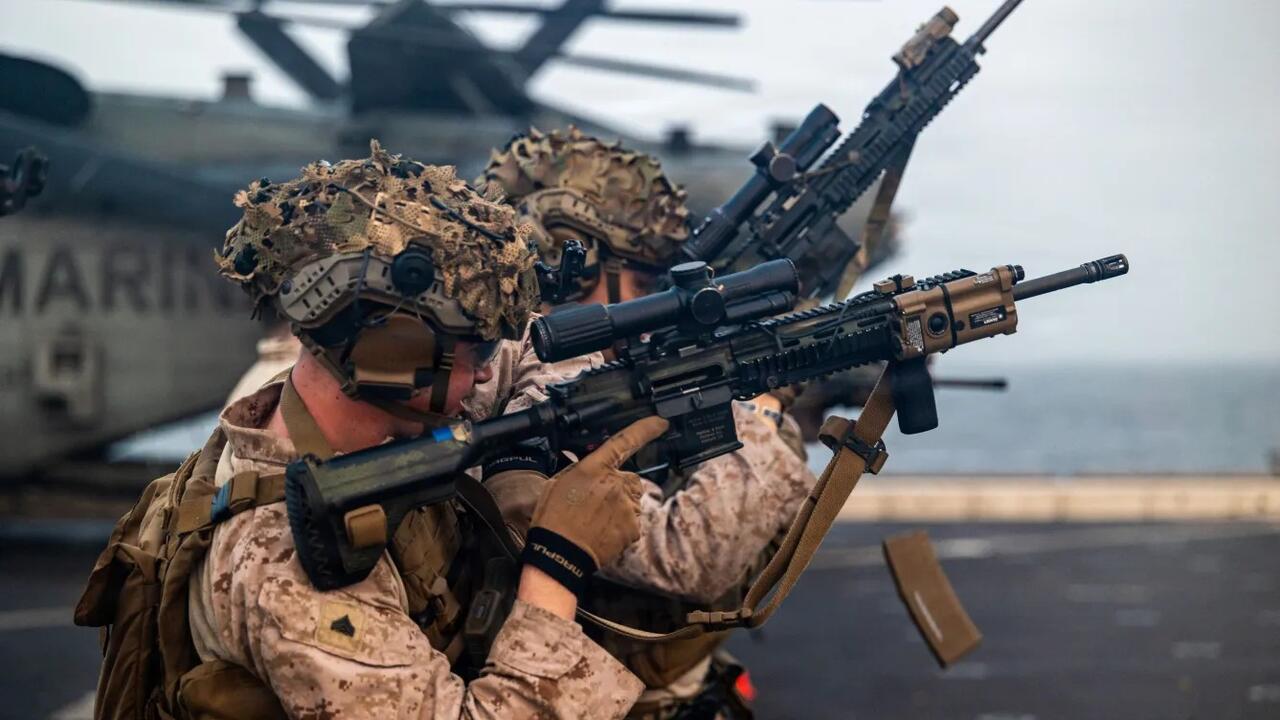
The US Department of Defense has elevated combat compensation for military personnel for the initial instance since 2002, amid the ongoing conflict with Iran and escalating tensions in the region. Pentagon spokesperson Sean Parnell disclosed the adjustments, noting that Hostile Fire Pay has doubled to $450 per month for units facing enemy attacks. Simultaneously, Imminent Danger Pay for troops encountering physical threats has risen by $50 to a maximum of $275 monthly, though service members cannot collect both allowances concurrently. Conversely, the maximum Hardship Duty Pay-Location has been trimmed from $150 down to $100 per month. These compensation updates follow the expansion of danger pay eligibility across various Middle Eastern host nations, allied bases, and surrounding maritime zones since the commencement of hostilities.
AI 시장 분석
Due to the prolonged war with Iran, the U.S. Department of Defense has increased combat pay for the first time since 2002. Hostile fire pay for areas under enemy attack has doubled to $450 a month, and imminent danger pay has also been raised to $275 a month. This increase in military costs and heightened tensions in the Middle East act as a positive factor for the defense sector, while posing a burden on the macroeconomy overall.
상승 영향
- Defense — The prolonged war with Iran and increased military spending, such as the U.S. Department of Defense raising combat pay, directly lead to strong earnings for defense contractors.
하락 영향
- Stock Market — The continuation of the Middle East war and deepening geopolitical risks increase uncertainty in the global economy, putting downward pressure on risk assets overall.
- Airlines — War in the Middle East and increased airspace risks cause disruptions in flight operations and rising costs, worsening profitability.
- Shipping — Heightened tensions in Middle Eastern waters, such as the Persian Gulf and the Gulf of Oman, threaten maritime transport routes and increase logistics costs.
DYAX 전담 분석
As the U.S. Department of Defense raises combat pay in response to the ongoing war with Iran and attacks on U.S. military bases in the Middle East, fiscal expenditure pressure is intensifying. The increase in military costs, such as the rise in hostile fire pay to $450 per month, is expected to lead to increased orders and sales for defense contractors.
In the bullish scenario, defense stocks could rise by directly benefiting from expanded military spending, while in the bearish scenario, the deepening fiscal deficit and logistical disruptions resulting from the prolonged war could exert downward pressure on the stock market overall, as well as on sectors such as airlines and shipping. Investors should closely monitor whether the military conflict in the Middle East expands and the trends in the defense budget.
AI가 생성한 분석으로 투자 자문이 아닙니다.
DYAX Investor Sentiment
Bullish (Long) 28% · Bearish (Short) 72%
414 participants
Related News
- Global Market Digest: Riyadh Airport Fire, BDX Investment, and Jio IPO
- The Five-Year Fuel Crisis Why The World Economy Is Paying For A War It Thinks Is Ending
- Russia Strikes Zaporizhzhia Bridge as Ray Dalio Warns of US Debt Crisis Risk
- Ray Dalio Warns of Potential US Debt Crisis Within Three Years
- Japan Expands Russia Export Ban to Include Steel Goods
- Moscow Mayor Reports 650 Ukrainian Drones Launched Overnight
